

Many of our favorite fruits and vegetables require pollinators. Fortunately you don’t need to keep a beehive to ensure that your fruit trees and vegetable garden produce an abundant harvest of apples, peaches, strawberries, cucumbers, or melons.
Types of Pollinators in Your Garden
By attracting honeybees, native bees, butterflies, moths, and other pollinators, you can help your garden and the environment at the same time!
Honeybees
The honeybee is the most sought after pollinator, and for good cause. Its hairy body can carry pollen between flowers, but effectiveness varies by crop and conditions; many native bees are also important pollinators.
Plants they pollinate
Honeybees prefer flowers of purple, blue and yellow color. They are general pollinators, and will select any flowers that have high pollen or nectar levels. However, they are not well adapted to collecting pollen from tomatoes and other nightshades.
How to attract them
Plant large patches of flowers such as vetch, borage, buckwheat, sunflowers, alfalfa, clover, or wildflower mixes to bring them to your yard. You can also hang a honey bee lure in your garden. Honeybees need a lot of water to make honey; provide them a drinking pool by placing stones or another perch in a shallow dish of water.
Bumblebees
Many species are native to North America, and these insects can be found at higher altitudes and colder regions than other bees. Bumblebees are more effective at pollinating nightshades such as tomatoes and eggplants than most other pollinators, because they can “buzz pollinate” the flowers. This specialized pollination releases tightly bound pollen better than other pollinators can, essentially by vibrating it loose.
Plants they pollinate
In your veggie garden, bumblebees enjoy tomatoes, eggplants, peppers, squashes, gourds watermelons, cucumbers, strawberries, apples, beans, cane berries, fruit trees including apples, pears, stone fruits, almonds, and persimmons. 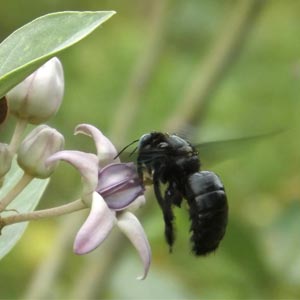
How to attract them
Plant vetch, sunflowers, lupine, clover, and wildflower mixes. Provide suitable flowering plants and undisturbed nesting habitat; do not add salt as a general bee-care practice.
Native and Naturalized Bees
Many species of native bees help with pollinating the garden, including orchard mason bees, squash bees, Southeastern blueberry bees, carpenter bees, and digger bees. Alfalfa leafcutter bees were introduced as an alternative pollinator and have become naturalized. Most species are “solitary bees” meaning they do not form a colony or hive with a queen and workers.
Plants they pollinate
While some species are particular, such as the squash bee which prefers plants in the squash and melon families, most are general pollinators and will select any pollen or nectar producing flower they can find. Some native bees specialize on particular plants; a diverse, locally appropriate planting serves more needs than assuming one bee visits every flower.
How to attract them
Plant other vetch, buckwheat, sunflowers, lupine, clover, alfalfa, and wildflower mixes. Install a pollen bee nest to provide a home for many species of native bees, and an orchard mason bee kit to introduce and keep orchard mason bees.
Butterflies
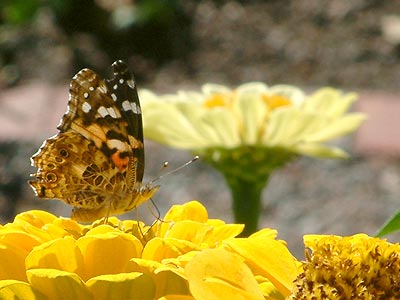 These pretty pollinators are not as efficient at pollinating flowers as bees, as unlike bees they do not actively collect pollen from the flowers they visit. Instead, they passively transfer pollen from flower to flower as they probe for nectar.
Plants they pollinate
Butterflies and moths will visit any brightly colored flower on which they can perch and enjoy the nectar.
How to attract them
Plant colorful, nectar producing flowers such as zinnias, coneflowers, daisies, marigolds, and wildflower mixes. Flowers that are open during the night will attract pollinator moths (Evening Primrose, Moonflowers, Four O’Clocks and Gourds). Native wildflowers will support new generations of caterpillars, or plant a Save the Monarch Kit to provide species-specific plants for your region. 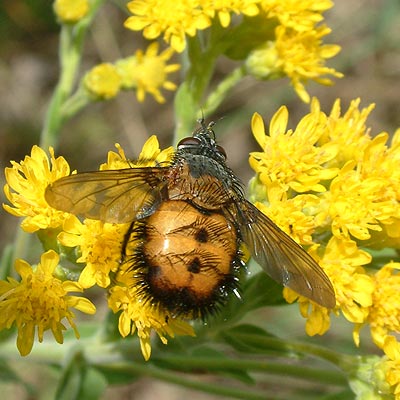
Beneficial Flies
From the house fly to the flower fly, many species of flies pollinate the garden. Of all the species, hover flies are perhaps the most helpful for the garden, as the larvae of many species of hover flies are predatory to aphids, leafhoppers, and other garden pests.
Plants they pollinate
Peppers, strawberries, cane berries, grapes, stone fruits such as peaches and cherries, almonds, pears, apples, pawpaw, cashew, fennel, caraway, beets, carrots, and celery are some beneficial fly favorites.
How to attract them
Plant alyssum, buckwheat, chamomile, parsley, yarrow, or our Good Bug Blend which provides a food source and shelter for adult and immature beneficial flies.
Hummingbirds
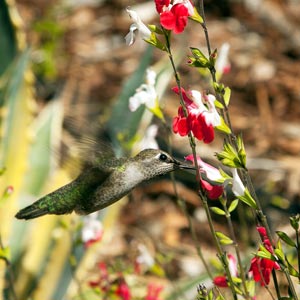 Hummingbirds visit suitable nectar-bearing flowers, particularly tubular forms; their access depends on flower shape and the local species. They also eat mosquitoes, gnats, aphids, and other small insects.
Plants they pollinate
Choose flowers known to support hummingbirds in your region. Do not rely on hummingbirds as substitutes for the insects that pollinate most common orchard and vegetable crops.
How to attract them
Larger patches of colorful flowers will encourage hummingbirds to move into the area better than individual scattered blooms. Though they don’t require drinking water, hummingbirds appreciate a birdbath and sheltered perches to rest upon.
Bats
Bat diets and ecological roles vary by species and region. A bat house does not guarantee pollination of a home orchard. Follow local wildlife guidance when planning habitat.
Choosing Seeds for a Pollinator Planting
For flower selection by bloom season, garden purpose, and growing conditions, use How to Grow Flowers from Seed and compare pollinator flower seeds. Keep suitable nesting habitat and pesticide precautions in the plan alongside flowers.
Resources
Shop our collection of native wildflower seeds:

Related Pest Control Resources
- Best Flowers to Attract Beneficial Insects
- Shop Beneficial Insects products
- Browse Pest Control & Beneficial Insects collections
- Use the Pest Control Solution Chart
Identify the pest or disease first. For pesticides, repellents, traps, and biological controls, confirm that the product label covers the target site and pest, then follow all label directions and precautions.


1 comment
While there are quite a few nectar-feeding bats worldwide, there are only 2 that come into the US. Both the lesser long-nosed bat and the Mexican long-tongued bat are listed as endangered species. They come into Texas, Arizona and New Mexico in the summer. The rest of the bats in the US are insect-feeding bats. They don’t help with pollination, but are immensely helpful in controlling flying insects such as mosquitoes.